Every time a major news story breaks about childhood sexual abuse (CSA) or child sexual abuse material (CSAM), many people see a headline and move on. For survivors, it can be something entirely different. A single news alert, social media post, television segment, or conversation at work can bring back memories, emotions, and physical reactions that seem to come out of nowhere. Families and loved ones may also find themselves unsure how to respond or how to best support someone they care about. If you are struggling after seeing recent news, please know this: Your reaction is normal. Why These Stories Can Feel So Personal Trauma changes how the brain stores memories. Survivors often don’t simply remember what happened—they may experience feelings, sensations, or emotions that make it feel as though the danger is happening again. News coverage about CSA or CSAM can activate those trauma responses, even when the story has nothing to do with your own experience. You might notice: These are common trauma responses. They do not mean you are “going backwards” in your healing. Healing is not the absence of triggers. Healing is learning how to move through them with greater awareness, support, and self-compassion. Why Stories About CSAM Can Be Especially Difficult For many survivors, hearing about child sexual abuse material can feel particularly distressing. It is important to remember that behind every image or video is a real child who was abused. Many survivors also experience grief, fear, anger, or helplessness because these stories highlight how exploitation can continue long after abuse has occurred. These emotions are understandable. If you notice yourself becoming overwhelmed, it is okay to step away from the news. Staying informed should never come at the expense of your wellbeing. Five Things Survivors Can Do 1. Give Yourself Permission to Step Away You do not have to read every article, watch every interview, or follow every update. Protecting your mental health is not avoidance—it is healthy boundary setting. Muting keywords, limiting social media, or choosing trusted news sources are all reasonable ways to care for yourself. 2. Ground Yourself in the Present When trauma is activated, your body may feel like the past is happening again. Gentle grounding techniques can help remind your nervous system that you are safe today. Try: Small moments of grounding can help your brain reconnect with the present. 3. Reach Out Instead of Withdrawing Trauma often tells us to isolate. Healing happens through safe connection. Reach out to someone you trust—a friend, family member, therapist, peer support facilitator, or another survivor who understands. You do not have to carry difficult feelings alone. 4. Be Gentle With Yourself Triggers can leave people feeling exhausted. You may need more rest, more quiet, or more patience with yourself than usual. That is okay. Healing is not measured by how quickly you “bounce back.” 5. Remember That This Story Is Not Your Story The news may remind you of your own experiences, but it does not define your future. You have survived before. You have learned skills. You have people who care about you. You are here today. How Families and Friends Can Help Watching someone you love become distressed can leave you feeling helpless. You do not need to have the perfect words. Often, the greatest gift is simply being present. You might say: Avoid trying to “fix” the feelings or reassure someone that they shouldn’t be upset. Instead, listen without judgment and allow them to experience what they’re feeling safely. For Parents Many parents worry that these news stories will frighten their children. Rather than avoiding the conversation completely, use it as an opportunity to reinforce body safety, healthy boundaries, and that children can always come to a trusted adult if something makes them uncomfortable. Keep conversations age appropriate, calm, and reassuring. Children often take emotional cues from the adults around them. For Survivors Who Feel Angry Anger is a valid response. Many survivors feel anger toward offenders, institutions, systems that failed to protect children, or society’s silence around abuse. Rather than turning that anger inward, consider healthy ways to channel it. Some survivors find healing through advocacy, volunteering, creative expression, journaling, peer support, or simply speaking openly about the importance of protecting children. Healing does not require silence. A Final Reminder When major stories about childhood sexual abuse appear in the news, they remind us that abuse is not just something that happened in the past—it continues to affect children, families, and communities today. They also remind us why healing matters. Every survivor who reaches out for support, every family who learns how to listen, and every community that chooses education over silence helps create a safer future for children. If today’s headlines have stirred something inside you, know that you are not alone. Take a break. Reach out. Be gentle with yourself. Healing is rarely a straight line, but you do not have to walk it alone. If you or someone you know has been affected by childhood sexual abuse, support is available. The Gatehouse provides trauma-informed peer support, counselling, expressive arts therapy, and community programs designed to help survivors move from surviving toward healing. Reaching out is a courageous first step—and you deserve support.
Men’s Mental Health Deserves More Than “Man Up”
Growing up, many boys often hear the same messages repeated: “Be strong.” “Don’tcry.” “Handle it yourself.” Over time, those words become more than simple advice; theybecome expectations. Many men learn that showing emotion is a weakness, asking forhelp is a burden, and vulnerability is something to avoid. But mental health doesn’t workthat way. Mental health challenges don’t disappear because they’re ignored. More often,they become heavier.Research has found that traditional masculine norms, such as self-reliance, emotionalcontrol, and the belief that men should solve problems on their own, can make men lesslikely to seek mental health support, even when they need it most. These expectationscan contribute to delayed treatment, increased psychological distress, and poorermental health outcomes (Mokhwelepa & Sumbane, 2025).It’s important to recognize that strength isn’t pretending everything is okay—it isacknowledging when something isn’t. Strength can look like talking to a trusted friend,booking a therapy appointment, saying, “I’m struggling,” or simply admitting that you’renot okay. These moments don’t represent weakness; they reflect courage andhumanity.Mental health struggles don’t always look the way we expect. They can show up asirritability instead of sadness, working longer hours to avoid difficult emotions,withdrawing from friends and family, or feeling emotionally numb. Because these signsdon’t always fit common stereotypes of depression or anxiety, many men don’trecognize them as indicators that they need support. Instead, they continue pushingthrough until the weight becomes too much to carry alone.Healing doesn’t require having all the answers. It begins with giving yourself permissionto feel, to speak, and to ask for help. The strongest thing you can do isn’t carryingeverything on your own, it’s recognizing that you don’t have to.Everyone deserves support. Everyone deserves to be heard. Every conversation aboutmen’s mental health helps break down stigma and creates space for someone else torealize they are not alone. Reference:Mokhwelepa, L. W., & Sumbane, G. O. (2025). Men’s Mental Health Matters: TheImpact of Traditional Masculinity Norms on Men’s Willingness to Seek MentalHealth Support; a Systematic Review of Literature. American Journal of Men’sHealth, 19(3). https://doi.org/10.1177/1557988325132167
Men Healing from Childhood Trauma
As Men’s Mental Health Month comes to a closing, it shouldn’t mean that the conversation should cometo an end. Raising awareness is only the first step. Equally important is recognizing the barriersand stigma that many men continue to face when seeking help.For generations, society has often defined masculinity by strength, independence, and emotionalrestraint. While resilience is valuable, these expectations have also created the harmfulmisconception that expressing vulnerability or talking about painful experiences is a sign ofweakness. As a result, many men suppress their emotions, avoid seeking support, and carry theweight of unresolved childhood trauma well into adulthood.The effects of childhood trauma can be profound. Men who’ve experienced abuse, neglect, orother adverse childhood experiences may struggle with depression, anxiety, post-traumatic stress,substance misuse, difficulties in relationships, and, in some cases, suicidal thoughts.Unfortunately, the stigma surrounding men’s mental health often prevents many from reachingout for the support they need.Healing from childhood trauma is not a single event—it’s a journey. It begins withacknowledging the impact of past experiences and continues through developing healthy copingstrategies, building supportive relationships, and learning that vulnerability is not a weakness buta pathway to healing. Trauma-informed therapy, peer support, and safe environments where mencan openly express their emotions have all been shown to promote recovery and improve overallwell-being.Research supports this journey. A qualitative peer-reviewed study by Willis, D. G., andcolleagues (2018) explored how men heal from childhood maltreatment. The researchers foundthat healing involved challenging restrictive beliefs about masculinity, finding meaning in theirexperiences, practicing self-care, and building authentic, supportive relationships. Their findingsemphasize that recovery is not about staying silent or “being strong” by enduring pain alone.Rather, healing comes from having the courage to seek support, reconnect with oneself, andbuild meaningful connections with others.But maybe the question we should be asking and talking about is: Why have we created a societywhere so many men feel stigmatized (or even punished) for asking for help? If we want betteroutcomes for men’s mental health, we must also be willing to challenge the cultural expectationsthat discourage emotional honesty and help-seeking. Strength should not be measured by silenceor suffering; it should be measured by the courage to acknowledge pain, seek support, and beginthe healing process. ReferenceRøberg, L., Nilsen, L., & Røssberg, J. I. (2018). How do men with severe sexual and physical childhood traumatization experience trauma-stabilizing group treatment? A qualitative study. European Journal of Psychotraumatology, 9(1), 1541697. https://doi.org/10.1080/20008198.2018.1541697
Overcoming Shame and Guilt
In DBT, there is a skill called opposite action. Opposite action helps us move away from behaviors that reinforce painful emotions and keep us stuck. When we feel angry, we may want to lash out or hurt someone, so instead we step away or respond gently. When we feel jealousy, we practice gratitude for what we do have. When we feel shame, the opposite action is often to tell a trusted person what happened. As we discuss repeatedly at The Gatehouse, shame thrives in the dark and in isolation. The longer we hide our shame, the heavier it becomes. It can feel like trying to stay afloat in a room slowly filling with water — eventually we become exhausted from carrying it alone. Speaking about shame can be a release valve. It creates room to breathe again. That does not make sharing any less frightening. Shame convinces us that if people truly knew us, we would be rejected or abandoned. The response is often not condemnation, but care, honesty, and understanding — from someone who can hold it safely. (Past experiences and the threat of telling all play roles in the shame narrative that develops over time, and it affects the ability to trust. This is why care is involved in choosing the right person to tell. Not necessarily the person you are closest to or love the most, but the person you feel can hold your shame responsibly.) When these conversations are handled with care, they can become moments of powerful transformation for survivors. The relief does not come from pretending the pain never existed or that actions no longer matter. The relief comes from discovering that honesty does not automatically lead to abandonment. Shame loses some of its power when someone is met with compassion instead of rejection. That can create hope. The shame survivors carry is not truly theirs. Rather, they often internalize messages from abusers, family systems, or society and begin to believe that what happened to them says something about who they are. This can sound like: “Why didn’t I do anything? Why didn’t I tell someone sooner?” But children do not yet have a fully developed sense of identity, agency, or values. A child who has been taught to trust adults, whose boundaries may already have been ignored in small ways — being told to eat everything on your plate, wear this, don’t cry — cannot reasonably be expected to respond with clarity or self-protection in abusive situations. The shame survivors carry is often the result of trying to apply adult expectations to childhood experiences. Shame can also appear when we fear rejection, hold ourselves to impossible standards, or mistake embarrassment and anxiety for evidence that we are “bad.” In a society that often sees people in black-and-white terms, it can feel terrifying to admit mistakes or vulnerabilities. This is where dialectical thinking becomes difficult — especially when shame pushes us toward all-or-nothing conclusions. For many survivors, shame creates a black-and-white belief system: if something shameful happened to me, then I must be shameful. Healing often involves learning to hold more than one truth at the same time — that someone can carry pain, regret, fear, or shame and still be worthy of care, dignity, and connection. Self-compassion creates space for these truths to exist together without one erasing the other.
Thank You for Joining Us at the Transforming Trauma Together Festival
From May 11 to 13, 2026, survivors, advocates, educators, artists, mental health professionals, students, community leaders, and allies gathered at Humber Polytechnic for the Transforming Trauma Together Festival. Over the course of three days, the festival created space for meaningful conversations, film screenings, workshops, poetry, storytelling, expressive arts, movement, and community connection focused on healing from childhood sexual abuse and trauma. The Gatehouse would like to extend our deepest gratitude to every individual who contributed their time, knowledge, creativity, courage, and lived experience to this powerful event. The festival reminded us that healing happens in community and that when survivors are given safe spaces to share their stories, transformation becomes possible. One especially moving moment throughout the festival was the sharing of Ophelia by Andrea Robin Skinner. The song beautifully reflected the heart of this year’s festival: the importance of community healing, human connection, and creating spaces where survivors feel seen, heard, and supported. Through music and storytelling, Ophelia reminded attendees that healing is not meant to happen in isolation. It happens when people gather together with compassion, courage, and care for one another. We are incredibly thankful to all of our speakers, facilitators, panelists, filmmakers, workshop leaders, artists, and presenters, including representatives from organizations and communities across Canada: Matt Gallagher, filmmaker and director of Prey; Cornelia Principe, Rod Macleod, Patrick McMahon; Matthew-Ray Jones, Ontario Poet Laureate; Dr. Benjamin Roebuck and Hoori Hamboyan from the Office of the Federal Ombudsperson for Victims of Crime; Tom Herstad from Empower2Recover; Carby Sum from Recovery Without Borders; Monica Riutort from Family Services of Peel; PC Cheryl Taylor from Toronto Police Service; Brad Hutchinson; Arthur Lockhart, founder of The Gatehouse; Heidi Philip; Ghrian Shine; Ramona Alaggia; Cathy Vine; Carol Vine; Thom Ernst; Mike Allan; Stewart Thompson; Kat and Luke Russell, creators of Braving Healing; Kristi White; Nathalie Cousineau; Janelle Cooper; Kristi White; Guliz Akkaymak; Beth Conklin; Master Teresa Yeung; Jacqueline Chan; Roxana Mares; Shawna Lee Campbell; Caitlin Crawford, Katia Miniovich; Dr. Aqeel Saeid and Humber Polytechnic students and faculty; Sabra Desai; Norah Shapiro, director and producer of Magic & Monsters; Emily Quint; Lola Graham representing Limits of Forgiveness film; Pramilda Zachariyas; Joe Sellors from Humber Polytechnic; Todd Carmichael, Principal of Humber Polytechnic; MP James Maloney; and Councillor Amber Morley, and Research Assistants: Nick Bradley and Naquita Reina. The Gatehouse would like to extend our deepest gratitude to all of the incredible artists who contributed their creativity, courage, and lived experiences to the Transforming Trauma Together Festival Art Exhibit. Thank you to Andrea Robin Skinner, Antonietta Nesbit Miolla, Chris and Martin CarrHunger, Elaine Copeman, Ghrian Shine, Guliz Akkaymak, Howard Buchin, Jacqueline Kaminski, James Buffin, Jessica Field, Maureen O’Pray, Mira Kopanarov, Montina Hussey, Paul Dunn, Randal “Waywaymegwun” Charboneau, Roxana Mares, Shawna Lee Campbell, The Gatehouse Expressive Arts Therapy Program Participants (2016), and Zada Jaffe for sharing such meaningful and powerful works. Through painting, collage, photography, poetry, textiles, sculpture, mixed media, and expressive arts, each artist helped create a space rooted in healing, connection, resilience, and transformation. Your contributions brought the festival to life and reminded all attendees of the profound role creativity can play in community healing and survivor empowerment. A special thank you to The Gatehouse Festival Committee whose dedication and countless hours behind the scenes helped bring this festival to life: Maria, Zada, Mike, Thom, Vito, Brad, Arthur, Aqeel, and Heidi. Thank you to James Buffin for sparking Festival ideas. Thank you to The Gatehouse staff team Erin, Paula, Karen, Jasmine, Stewart, and Maria. Your commitment to survivors, community, and healing continues to inspire meaningful change every day. We also want to recognize and thank our incredible placement students and volunteers, including Oonagh, Pemba, Muna, Isabella, Rachael, Diane Ricardo, Holly Rodrigue, Megan Allan, Arushi Gupta, Imade Edokpayi, Alexandra Ruggiero, Melanie Smilski, Diana Lawrence-Kish, Melissa Williams, Michael Ekwelibe, Mariolya Maksymiw, Shruti Nidigattu, Alice Caraccioli, Sayithan Sivarajah, Anna Antonova, Rekha Kandel, Ashley Hirst, Emilie Pontikakis, Tenzin Lekshey, Alexis Gael Gonzalez Beckmann, Beyza Corbacioglu, Daniel Melo, Jora Sidhu, Winnifred Ofosu-Manu, Sidharath Chauhan, Lucas Carroll, and others who volunteered their time and care throughout the festival. Your energy, compassion, and willingness to help created a welcoming and supportive environment for all attendees. We also want to acknowledge and thank our sponsors and community partners whose support made this festival possible. A heartfelt thank you to Humber Polytechnic, the Humber Research Department, and the Department of Justice Canada for believing in the importance of education, healing, advocacy, and community collaboration. The Transforming Trauma Together Festival was more than an event. It was a reminder that survivors are not alone, that healing can happen in many forms, and that community has the power to create change. Thank you for standing with survivors and for being part of this important movement toward healing, awareness, and hope. With gratitude, Maria Barcelos, MA, RP, Executive Director thegatehouse.org

After the Storm: Listening to Nature, Learning to Heal
Like an old growth forest, trauma, especially sexual violence, can act like a saw cutting everything down. What once stood tall, lush, and was home to a thriving ecosystem is suddenly gone, leaving us in the aftermath. And yet, with intention and work, even forests can begin again. The work and intention become ours: to replant, to tend, to trust that something can grow back, different, but still alive. Nature doesn’t only show us how things are lost, it shows us how they return, in forms we might not immediately recognize. Regrowth is not separate from the storm; it depends on it. What feels like disruption is often part of a longer cycle of renewal, one that asks for patience, trust, and a willingness to see beyond what is immediately visible. As I walk in the rain, I am reminded that we need it for the earth to remain healthy. Many of us complain about it, but it is a kind of magic in action. Rain doesn’t just fall, it forms over time, through changing conditions, through invisible processes we rarely stop to notice. And when it arrives, it nourishes and cleanses. Some days, it even gives us a rainbow. It is not through perfection that beauty arrives, but through process, through the same rain that nourishes. Rainbows are full circles, though we only ever see a portion of them. It depends on where we stand, the angle of the light, the moment we are in. Each of us is seeing a slightly different part of the whole rainbow. People are like that too. We are constantly changing; we are not static creatures. We see others, and are seen, as we are in a moment in time. When someone misunderstands us, or holds a fixed idea of who we are, they are only seeing one part of the rainbow. And we do the same to others. Recognizing this can create space for understanding and compassion—for ourselves and for each other. No person is only one thing. No one is always angry, or always joyful, always kind, or always unaware. We move through these states; they are moments, not identities. The people we encounter are often meeting just a small segment of ourselves, a passing expression, a single version shaped by that moment. And we are doing the same with them. We can remind ourselves: this is who I am right now, in this moment. And this moment is not infinite. It will shift, as all things do. Or inversely, I am not this person all the time. It’s only one part of my rainbow. Change is inevitable. This can help us move through experiences with more compassion, without excusing harmful behaviour, and decrease our own suffering. Rainbows often appear on rainy days, and in unexpected moments. They are what happens when light moves through a transparent object, slows down, and reveals its component parts. Maybe we are like that too. As we move through pain, we can slow down and begin to see the component aspects of what makes us who we are, all the colors, all the pieces coming into alignment. We were never broken. But we can learn to feel whole again. Reflection Questions
Annual General Meeting of The Gatehouse
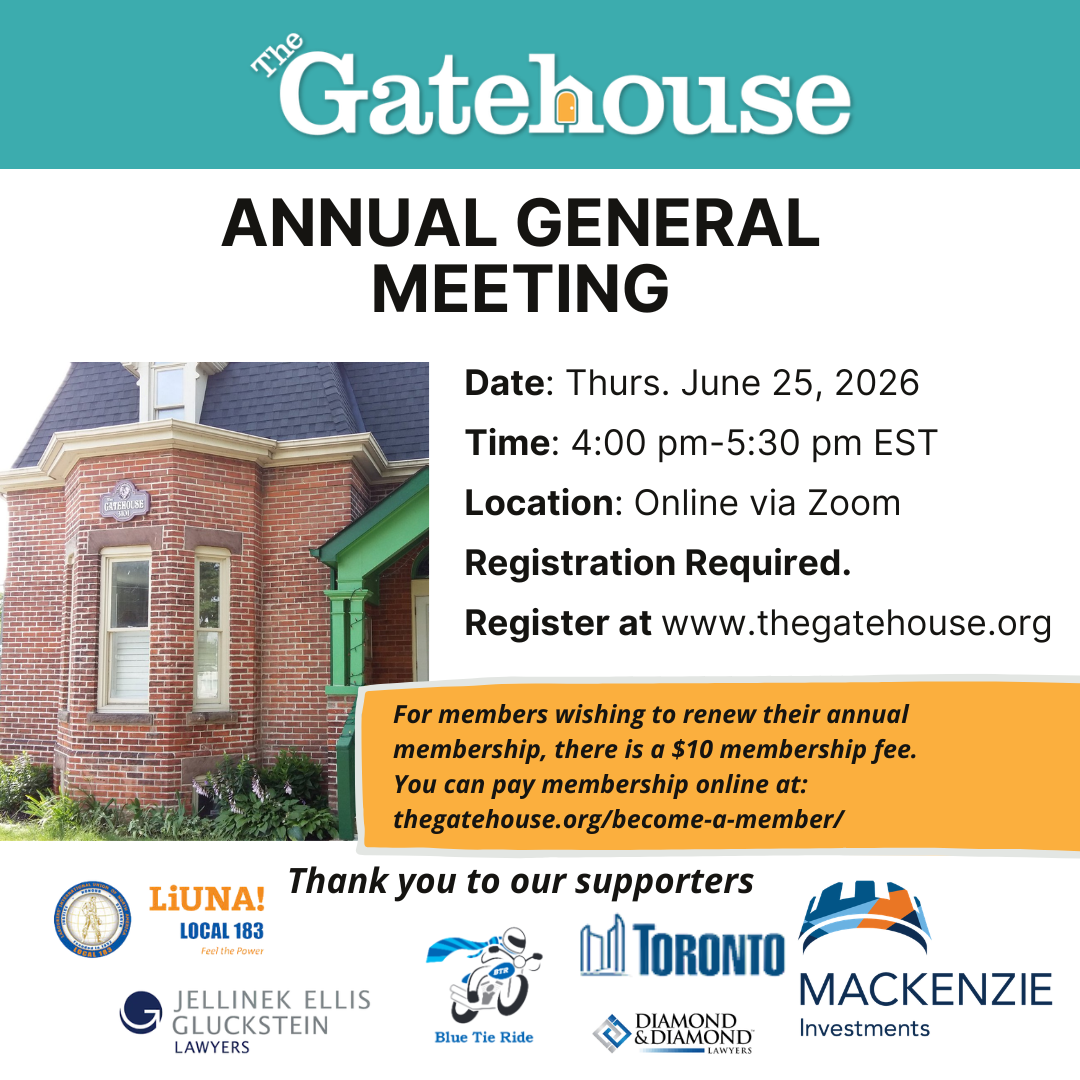
Dear Gatehouse Community, You are warmly invited to become a member of The Gatehouse and join us for our upcoming Annual General Meeting. Becoming a member of The Gatehouse is a meaningful way to support our work, stand alongside survivors, and be part of a community that believes in healing, connection, and social change. Membership helps strengthen our organization, expand our programs, and ensure that survivors of childhood sexual abuse continue to have access to safe, trauma-informed, peer-led support. We are pleased to announce that The Gatehouse Annual General Meeting will be held as follows: Registration is required. Click on the link below to sign up to attend online. Date: June 25, 2026 Time: 4:00 PM Eastern Time (US and Canada) Register in advance for this meeting by clicking on this link and filling out the form:https://us02web.zoom.us/meeting/register/dpUHSwPXQiezrIFdY4tv7Q After registering, you will receive a confirmation email containing information about joining the meeting. You must be an official member of The Gatehouse to vote at the meeting and have paid your annual $10 membership fee. For members wishing to renew their annual membership, there is a $10 membership fee. You can pay membership online at: thegatehouse.org/become-a-member/ We hope you will consider becoming a member and joining us at the AGM to learn more about the work of The Gatehouse, our impact over the past year, and our vision for the future. Thank you for being part of our community and for helping us ensure that no survivor has to heal alone. Warmly,Maria BarcelosExecutive DirectorThe Gatehouse
Celebrating an Incredible Achievement: Congratulations to Dr. Sabra Desai
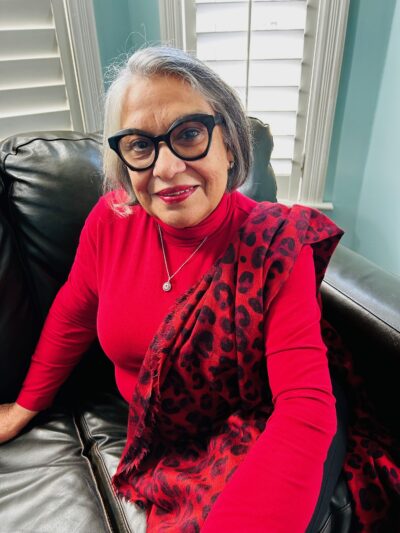
We are proud to celebrate a remarkable milestone for Sabra Desai, former Chair of the Board of Directors of The Gatehouse, who has successfully completed her PhD. This accomplishment reflects years of dedication, scholarship, and her commitment to advancing knowledge and creating meaningful impact in the fields of mental health, education, and social justice. During her time as Chair, Sabra provided thoughtful leadership and guidance, helping strengthen the organization and support its mission. Her passion for learning and her commitment to community have long inspired those who have had the privilege of working alongside her. Achieving her PhD marks another important chapter in a career devoted to service, advocacy, and transformative. Dr. Desai’s doctoral research examines systemic neglect within Ontario’s child welfare system by centering the voices of youth in care, former youth in care, and adoptees. Drawing on testimonies from the 2012 Youth Leaving Care Hearings, her work challenges deficit-based narratives and highlights how institutional policies shape young people’s experiences of instability, exclusion, and harm as they transition out of care. Using a social justice education framework informed by Critical Race Theory, feminist theory, and critical discourse analysis, her research calls for meaningful youth-informed policy reform. The work advocates for a more equitable and humane child welfare system grounded in dignity, belonging, empowerment, and educational opportunity. This research is deeply personal and rooted in Dr. Desai’s lifelong commitment to social justice. Growing up under apartheid, immigrating to Canada, and working across child welfare and education systems shaped her understanding of how institutions can both support and marginalize individuals. Her work with marginalized youth further deepened her concern for young people aging out of care. Committed to addressing historical and systemic inequities, Dr. Desai sought to respond to the lack of youth-led research within Canadian child welfare. By centering the voices and testimonies of those most directly affected, her research exposes systemic neglect while advocating for policies that are more just, humane, and youth-informed. Professional Background and Contributions Dr. Desai is a Kellogg Fellow, a registered trauma-informed social worker, psychotherapist, and transformational educator consultant. She specializes in working with individuals from diverse cultural backgrounds, using intersectionality, culturally responsive approaches to mental health and well-being that personalize therapy for each client. Her multidisciplinary therapeutic approach integrates Emotion Focused Therapy, Cognitive Behavioural Therapy, Dialectical Behaviour Therapy, and Mindfulness practices, grounded in resilience and a strength-based, client-centered framework. She works with individuals experiencing anxiety, depression, shame, trauma (including intergenerational and vicarious trauma), life transitions, grief, and loss. As a multidisciplinary researcher and practitioner she employs a de-colonizing intersectionality framework to psychotherapy. Dr. Desai’s international work in South Africa included providing therapy to couples and individuals living with HIV/AIDS, addressing issues of guilt, shame, and betrayal. Her other international work entailed skills building for staff working with children orphaned and traumatized by losing parents to HIV-AIDS. She also provided organizational training and community capacity-building initiatives on human rights, newcomer integration, health, and mental health, supporting personal and organizational transformation through relationship-building and change. Her academic career includes teaching social work at York University and Ryerson University, and most recently serving as faculty in the School of Social and Community Services at Humber College. During her tenure at the now, Humber Polytechnic, she played a significant visionary role in laying the foundation of the current Indigenous Education & Engagement (IE&E) with successfully obtaining a substantial grant from the Ontario Government. Her publications address critical social issues including youth advocacy, violence against women, diversity, and inclusion. Dr. Desai has also played an important role in community advocacy. She collaborated with a group of women to advocate for a shelter for women and children fleeing family violence—an effort that led to the creation of Interim Place, the first shelter in Peel Region. Before retiring from Humber Polytechnic she initiated a Mental Health Community of Practice through a partnership with Humber Polytechnic and community organizations, to support staff working with youth by sharing best practices, strengthening knowledge, skills, collaboration, and networking opportunities. Throughout her career, Dr. Desai has received numerous awards recognizing her leadership in advocacy, social justice, and education, including the 2015 YWCA Woman of Distinction Award for Education. We extend our heartfelt congratulations to Dr. Sabra Desai on this extraordinary achievement. Her work continues to inspire meaningful change and contributes to building more compassionate, equitable systems for individuals and communities. Dr. Desai will be presenting at our upcoming Transforming Trauma Festival on May 11 to 13, 2026 sharing key insights from her research. Register for the festival at https://thegatehouse.org/transforming-trauma-together-festival
Creativity in Healing: Finding Connection Through Expression at The Gatehouse
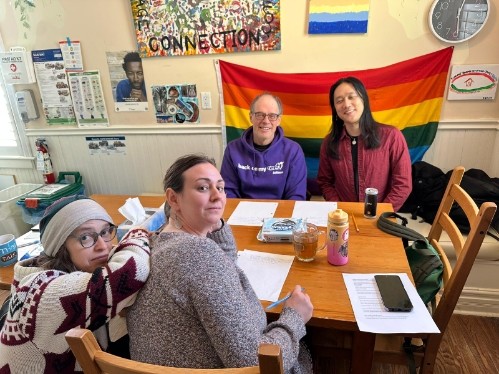
Healing is always linear, and it is not always verbal. For many survivors of childhood sexual abuse, words can feel limiting, inaccessible, or even overwhelming. Experiences may live in the body, in emotions, in fragments of memory, or in places that language cannot easily reach. This is where creativity becomes more than just an activity. It becomes a pathway. Creative expression offers survivors a way to explore, release, and understand their experiences without needing to explain everything. Whether through drawing, painting, writing, movement, music, or even baking, creativity allows something internal to take form externally. It creates space for meaning-making, self-discovery, and gentle processing at one’s own pace. At The Gatehouse, we recognize that healing happens in many ways, and creativity is one of the most powerful tools we have. It is not about producing something “good” or “beautiful.” It is about authenticity. It is about allowing whatever is present to exist without judgment. In that space, something shifts. Survivors often begin to reconnect with parts of themselves that may have been silenced, hidden, or disconnected. Creativity can also be grounding. Engaging the senses, focusing on a task, and allowing the body to move or create can bring someone back into the present moment. For those who experience dissociation, anxiety, or emotional overwhelm, creative practices can offer a gentle anchor. The rhythm of colouring, the texture of clay, the repetition of stitching, or the act of following a recipe can all support regulation and a sense of safety. Equally important is the role of connection in healing. Trauma can be deeply isolating. It can create feelings of shame, disconnection, and loneliness. Many survivors carry the belief that they are alone in their experiences, or that others will not understand. Creating spaces where people can come together, share, and simply exist alongside one another can be transformative. The Gatehouse Creative Connection Hub. Every Tuesday from 12:00 PM to 2:00 PM, we offer a welcoming, low-pressure space where survivors can connect through shared activities and conversation. The Creative Connection Hub is not a therapy group, and there is no expectation to share personal stories. Instead, it is a space rooted in community, creativity, and presence. Participants might engage in activities like baking, simple crafts, or other creative projects while connecting with others. These shared experiences often make it easier to build relationships organically. Sitting side by side, working on something together, can feel safer than sitting face-to-face in a traditional group setting. It allows for connection without pressure. There is something powerful about being in a room where others understand, even without words. Laughter can emerge. Conversations can flow naturally. Silence can also be shared comfortably. In these moments, survivors are not defined by their trauma. They are simply people connecting, creating, and being. The Creative Connection Hub also recognizes the importance of accessibility. There is no cost to attend, ensuring that financial barriers do not prevent people from accessing community. However, to maintain a sense of safety and shared understanding, the group is open to current or previous Gatehouse program participants, volunteers, and Gatehouse placement students. This helps create a foundation of trust. Everyone who enters the space has some connection to The Gatehouse community and a shared understanding of its values. This allows participants to feel more at ease and supports the creation of a respectful and supportive environment. Creativity within this space is not structured or prescriptive. Participants are invited to engage in whatever way feels right for them. Some may dive into an activity, while others may prefer to observe or simply be present. Both are equally valid. Healing does not require constant action. Sometimes, it begins with just showing up. Over time, small moments of connection can build into something meaningful. A familiar face. A shared laugh. A sense of belonging. These experiences can gently challenge the isolation that trauma creates and replace it with connection and community. For many, the Creative Connection Hub becomes a place of consistency and comfort. A place to come back to. A place where they are seen, not for what has happened to them, but for who they are. If you are part of The Gatehouse community and are looking for a space to connect, create, and simply be, we invite you to join us. The Social Connection Hub runs every Tuesday from 12:00 PM to 2:00 PM. To learn more or express interest in attending, please contact [email protected]. You do not have to navigate healing alone. Sometimes, it begins with something as simple as sitting beside someone, creating together, and remembering that connection is still possible. Check out our Expressive Arts Therapy Program https://thegatehouse.org/programs-and-services/supplemental/expressive-arts-therapy Looking for Private Psychotherapy check out Counselling Resources In the Community
Transforming Trauma Together Festival: Building Community, Courage, and Healing
From May 11–13, 2026, The Gatehouse will host the first ever Transforming Trauma Together Festival at Humber College’s Lakeshore Campus in Toronto, a powerful three-day gathering dedicated to healing, learning, and connection. This free community event invites survivors of childhood sexual abuse, advocates, professionals, students, and community members to come together in a shared space of compassion and understanding. The Transforming Trauma Together Festival was created with a simple but powerful belief: healing happens in community. When survivors are given opportunities to share their experiences, be heard without judgment, and connect with others who understand, it can be a transformative part of the recovery journey. The festival aims to foster those connections while also building awareness, knowledge, and solidarity across the broader community. Over the course of three days, attendees will have the opportunity to participate in a wide range of programming, including panel discussions, presentations, creative sessions, and community conversations. Speakers and facilitators will include individuals with lived experience, mental health professionals, advocates, educators, and leaders working in the field of trauma and recovery. These sessions will explore topics such as resilience, trauma-informed care, advocacy, storytelling, and the many ways individuals and communities can support survivors on their healing journeys. What makes this festival unique is its focus on bringing together both lived experience and professional expertise. Survivors are not only welcomed, they are centered. Their voices, insights, and resilience help shape the conversation, reminding us that healing is not only possible but powerful when survivors are supported and empowered. The festival also reflects the core mission of The Gatehouse. We are a Toronto-based charitable organization that has supported survivors of childhood sexual abuse for over 27 years. Through peer support groups, trauma-informed programming, and community education initiatives, The Gatehouse provides safe spaces where survivors can connect, process their experiences, and move forward with strength and dignity. Events like the Transforming Trauma Together Festival play an important role in raising awareness about the long-term impacts of childhood sexual abuse while also highlighting the resilience of survivors. Trauma often thrives in silence and isolation, but community gatherings such as this one help break that silence. They encourage open dialogue, reduce stigma, and create opportunities for learning and collaboration among survivors, service providers, and the wider public. The festival is also an opportunity to strengthen partnerships between organizations, advocates, and professionals working across sectors, including mental health, education, social services, and justice. By sharing knowledge and experiences, participants can better understand the complexities of trauma and work together toward more compassionate and survivor-centered systems of support. Beyond the educational sessions and discussions, the festival aims to cultivate an atmosphere of hope, creativity, and empowerment. Participants will be encouraged to reflect, connect, and explore new perspectives on healing. Whether someone is early in their recovery journey or has been advocating for years, the festival offers space for meaningful conversations and supportive connections. Most importantly, the Transforming Trauma Together Festival reminds us that survivors are not defined by what happened to them. They are defined by their courage, resilience, and the strength it takes to continue moving forward. When communities come together to support healing, we help create a future where survivors are seen, heard, and valued. The Transforming Trauma Together Festival is free to attend, but registration is required. Individuals interested in participating are encouraged to reserve their tickets in advance at https://thegatehouse.org/transforming-trauma-together-festival By coming together in conversation, learning, and solidarity, we can continue building communities where healing is possible and where survivors know they are never alone. Guest Speakers Matthew Ray Jones, Poet Laureate Matt Gallagher, Canadian film director, producer and cinematographer Thom Ernst, Canadian film critic and television host, Author of the Wild Boy of Waubamik Heidi Philip, People & culture coach & consultant https://www.ioi.live/ Arthur Lockhart, MEd. Brad Hutchinson, https://www.bradhutchinson.org/ Aqeel Saeid, PhD Maria Barcelos, MA, RP Sabra Desai, PhD Qi Gong Master Teresa Yeung Jacqueline Yeung Ghrian Shine https://ghrianshine.com/ Ramona Alaggia Mike Allan Stewart Thompson Cathy Vine Zada Jaffe Agency Presenters Family Services of Peel https://fspeel.org/ Bikers Against Child Abuse https://bacaworld.org/ Addiction Rehab Toronto https://addictionrehabtoronto.ca/ Recovery Without Borders https://ca.linkedin.com/company/recoverywithoutborders Expressive Arts Therapists Pramilda Zackhariyas- https://www.pramilda.com/ Antonietta Nesbit Miolla https://www.psychologytoday.com/ca/therapists/antonietta-nesbit-miolla-toronto-on/1514548Rieko Asaba https://www.psychologytoday.com/ca/therapists/rieko-asaba-toronto-on/1583663 Beth Conklin Guliz Akkaymak Jacqueline Kaminski Katia Miniovich Shawna Lee Campbell https://www.psychologytoday.com/ca/therapists/shawna-lee-campbell-toronto-on/1618812 Roxana Mares https://www.thesomaticspace.ca/