
Many of us who survived childhood sexual abuse learned to normalize our childhoods. We also learned to normalize how our minds work. What we think, feel, or replay can come to feel like “just how I am,” rather than something shaped by what happened to us. But trauma contaminates. It contaminates how we see ourselves, how we experience relationships, how we move through the world. Most significantly, it contaminates our sense of agency—our ability to choose rather than react, to live from intention rather than compulsion. Healing is the process of decontamination. Of reclaiming your life as your own. There is no single path through this work, and no prescribed timeline. But there is a route that many survivors have found leads toward freedom—freedom from compulsive patterns, from loops we can’t control, from living in states organized around trauma that ended long ago. This arc moves through: Inner child work → Internal Family Systems (IFS) → Understanding parts → Recognizing loops → Attachment repair. Each step builds on the last. Each one matters. And the destination is the same: a life that is yours, not defined by what happened to you. Inner Child Work: You Can’t Heal What You Won’t See For many survivors, healing begins with recognizing the inner child—the young part of us that was hurt, frightened, or left alone, frozen in time and carrying more than any child should have had to carry. This recognition is not metaphorical. It is literal. There is a part of you that experienced the trauma and never received what was needed to integrate that experience. Inner child work helps you turn toward that part with compassion rather than avoidance. Why this matters: You cannot decontaminate what you refuse to acknowledge. Recognition is the beginning. It opens the door to everything that follows. But for many survivors, this is not the end of the work—it is the beginning. Internal Family Systems: You’re Not Broken—You’re a System That Adapted As healing deepens, many survivors discover something important: the inner child is not alone inside us. Trauma changes how the mind organizes itself. Parts of us separated in order to survive. Some parts carry the pain. Other parts work to contain it, distract from it, or keep us functional despite it. This is where Internal Family Systems (IFS) therapy often enters the healing arc. IFS, developed by Richard Schwartz, provides a framework for understanding these parts—not as disorders or pathology, but as protective adaptations that formed in response to overwhelming experiences. Understanding who is active inside us, especially during distress, urgency, or looping, can restore choice and reduce self-blame. Why this matters: When you see that you’re not broken but organized around protection, shame begins to lift. Parts are not the problem—they were the solution at the time. This shift from self-blame to self-compassion is essential for healing to deepen. Learn more about IFS at https://ifs-institute.com. The Nervous System: Why Compulsion Isn’t a Willpower Problem To understand why parts form and why they remain active, we need to understand how trauma lives in the body. Trauma is not primarily psychological—it is stored in the nervous system. Stephen Porges’s Polyvagal Theory helps us see why certain patterns feel so automatic, why insight alone often isn’t enough, and why healing requires more than understanding what happened. “Neuroception describes how neural circuits distinguish whether situations or people are safe, dangerous, or life-threatening. Because of our heritage as a species, neuroception takes place in primitive parts of the brain, without our conscious awareness.” — Stephen Porges, The Polyvagal Theory Our nervous systems are constantly scanning for safety or threat—below conscious awareness. This is why you can “know” you’re safe now but still feel activated. Your body is responding to cues your mind doesn’t register. For survivors, neuroception was shaped during times when threat was real and protection was absent. The nervous system learned to detect danger even in safe environments. This is not anxiety or paranoia—it is an adaptation that once protected you. Why this matters: Compulsive behavior is not a failure of willpower. It is your nervous system still detecting threat and responding as it was trained to do. This understanding removes shame and opens the possibility of actual intervention—not through trying harder, but through updating the system itself. Loops: Trauma Contaminants That Steal Agency When we understand neuroception, the compulsive patterns survivors experience begin to make sense. Loops are unfinished survival or attachment signals that keep cycling. They are not character flaws. They are trauma contaminants—patterns that repeat because the nervous system never received confirmation that safety arrived or that the threat ended. Compulsive thinking is many times faster than deliberate thought. But the felt difference is even larger because compulsive thinking bypasses choice, meaning-making, and sequencing. Loops don’t ask for permission. They activate automatically, searching for situations that match unresolved threat or longing. This creates tremendous internal conflict. Parts fight with other parts. The result is exhaustion, shame, and the feeling that you are not in control of your own mind. Why this matters: Loops are the most direct way trauma contaminates present life. They keep you reactive rather than responsive. Compulsive thinking requires intervention—not self-discipline, but nervous system repair. The Sexual Reenactment Loop: The Loudest Contaminate Among the loops that survivors navigate, one stands out as particularly destabilizing: the sexual reenactment loop. Despite how it presents, this loop is not actually about sex. At its core, it is driven by unfinished survival energy combined with unmet attachment needs—most often the absence of sufficient protection, supervision, or intervention at the time of abuse. The nervous system was activated for survival, but there was nowhere safe for that activation to resolve. Sexuality is the most attachment-dependent domain of human development. When abuse occurs in the absence of protection, sexuality and attachment become fused with danger, longing, and urgency. What develops is not desire, but a seeking system—an attachment system circling without a place to land. This is why the sexual reenactment loop feels compulsive and
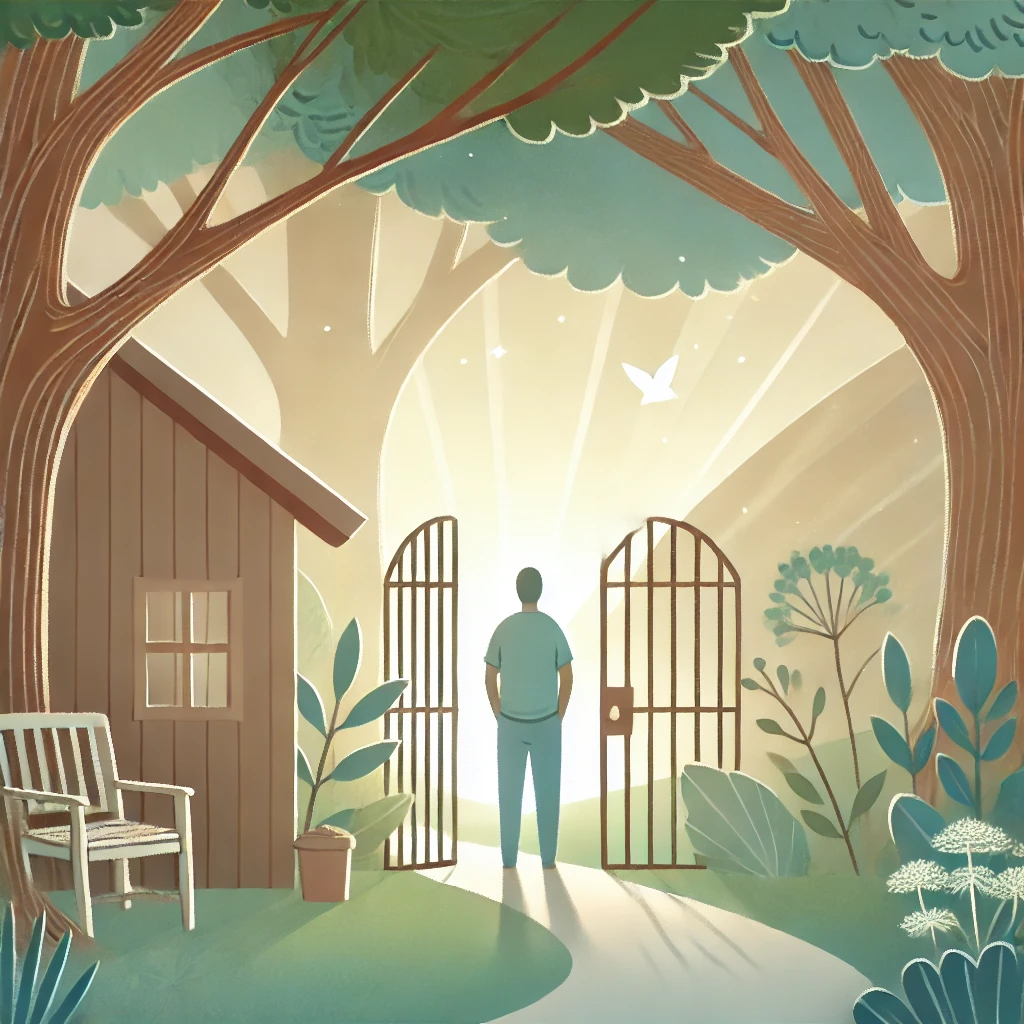
Resilience in Survivors of Childhood Sexual Abuse (CSA)
Resilience is often described as the ability to adapt and move forward after adversity. For survivors of childhood sexual abuse (CSA), resilience does not mean the absence of pain or struggle—it means the capacity to survive, cope, and grow despite profound trauma. While resilience takes effort and develops over time, research shows there are identifiable factors that can help foster it. What Allows Resilience to Take Shape? Researchers have sought to understand what contributes to resilience following severe trauma. As one study explains: “Based on an integration of findings from both empirical studies and interviews with individuals who exhibited resilience in the aftermath of severe trauma, Charney and colleagues have identified six psychosocial factors that promote resilience in individuals: 1) optimism, 2) cognitive flexibility, 3) active coping skills, 4) maintaining a supportive social network, 5) attending to one’s physical well-being, and 6) embracing a personal moral compass.” These factors are not abstract concepts—they often show up in very practical, lived ways. Amanda Lindhout, who survived extreme trauma,[although not CSA] describes what resilience looked like in her own life: “mindfulness, relaxation techniques, exercise, cognitive strategies ranging from distraction to reframing and cognitive flexibility, and social support. Ms. Lindhout also describes forgiveness as critically important to facilitating her coping and resilience both during and after her traumatic experiences. You can read more at https://pmc.ncbi.nlm.nih.gov/articles/PMC4185140/” Her experience highlights that resilience is not a single skill, but a collection of practices, supports, and inner strengths that work together. Psychosocial and Social Foundations of Resilience Research shows that resilience is supported by a combination of internal strengths and external relationships. One widely cited framework describes resilience as emerging from multiple psychosocial domains: “Based on an integration of findings from both empirical studies and interviews with individuals who exhibited resilience in the aftermath of severe trauma, Charney and colleagues have identified six psychosocial factors that promote resilience in individuals: 1) optimism, 2) cognitive flexibility, 3) active coping skills, 4) maintaining a supportive social network, 5) attending to one’s physical well-being, and 6) embracing a personal moral compass.” Within this broader framework, social context plays a particularly powerful role in shaping how resilience develops, especially for survivors of childhood sexual abuse. Research on family and social environments highlights three specific conditions that can strengthen or disrupt resilience: individual factors, family factors, and community factors. Individual Factors That Promote Resilience In regard to personal or individual factors, Berry-Fletcher (2013) emphasizes the importance of the developmental stage of the child when the abuse begins and occurs; the more immature a child is in terms of emotional, social, and physical development, the more susceptible the child is to negative impacts from the abuse. Research suggests that individual or internal factors promoting resilience may include optimism and hope, a sense of self-efficacy, problem-focused coping skills, the ability to externalize the blame of the abuse on the perpetrator, a sense of self-empowerment, higher educational ability, higher emotional intelligence and ability to connect with others, a more secure attachment with one’s family, and spiritual or religious beliefs (Domhardt et al., 2015; Gilligan et al., 2014; Hinton, 2019; Wilcox et al., 2004). Some describe resilient CSA survivors as having qualities such as being outgoing and social, possessing certain talents, and being able to engage in supportive resources (Hinton, 2019). Doing well in school and higher intelligence are also positively correlated with resilience (Hinton, 2019; Wilcox et al.). The Role of Family Support Family response plays a crucial role in shaping resilience. A particularly important factor is how parental figures react to the disclosure of abuse. If a child is not believed or listened to, this can cause long-term harm (Berry-Fletcher, 2013; Spaccarelli & Kim, 1995; Wilcox et al., 2004). Hyman and Williams (2001) identified three family characteristics that positively influence resilience: When families provide safety, belief, and stability, they can become a powerful protective force in a survivor’s life. Community and Connection Matter Resilience does not develop in isolation. Everyone is capable of building resilience, and community-based supports play a critical role in this process. Programs such as peer support groups—like those at the Gatehouse—are particularly effective because they create spaces where resilience is modeled, shared, and encouraged. These groups bring people together, reinforce that survivors’ voices matter, and affirm that everyone is worthy of being listened to, believed, and supported. Resilience does not develop in isolation. Everyone is capable of building resilience, and community-based supports play a critical role in this process. Programs such as peer support groups—like those at the Gatehouse—are particularly effective because they create spaces where resilience is modeled, shared, and encouraged. These groups bring people together, reinforce that survivors’ voices matter, and affirm that everyone is worthy of being listened to, believed, and supported. Resilience does not develop in isolation. Everyone is capable of building resilience, and community-based supports play a critical role in this process. Programs such as peer support groups—like those at the Gatehouse—are particularly effective because they create spaces where resilience is modeled, shared, and encouraged. These groups bring people together, reinforce that survivors’ voices matter, and affirm that everyone is worthy of being listened to, believed, and supported. Resilience does not develop in isolation. Everyone is capable of building resilience, and community-based supports play a critical role in this process. Programs such as peer support groups—like those at the Gatehouse—are particularly effective because they create spaces where resilience is modelled, shared, and encouraged. These groups bring people together, reinforce that survivors’ voices matter, and affirm that everyone is worthy of being listened to, believed, and supported. Taken together, these findings illustrate how resilience is both an internal process and a relational one—supported by personal coping strategies, belief systems, and physical well-being, while also being deeply influenced by relational support. A Final Reflection Resilience is not something people either have or don’t have—it is something that can be nurtured. Through individual strengths, supportive families, and compassionate communities, CSA survivors can build resilience at their own pace and in their own way. Healing is not linear,
Rise and Cry: The Golden Hour
By: Brent McBlain The Golden Hour Every morning, before caffeine or screens, the body performs its own quiet miracle. In the first hour after waking, your nervous system and hormones move through a natural transition — cortisol rises to mobilize energy, testosterone and oxytocin peak, and the vagus nerve begins its daily rhythm of connecting and calming. This is the golden hour for healing: a short, sacred window when your defenses haven’t yet assembled, and your authentic emotional self can still be heard. Only when we are in a calm physiological state can we convey cues of safety to another.” — Stephen W. Porges, The Pocket Guide to the Polyvagal Theory During this hour, the brain hasn’t yet shifted into the analytical mode that organizes, filters, or avoids. The body is still whispering the truth it processed through the night — the grief, the longing, the fragments of memory. This is when trauma work, reflection, or simply sitting in quiet presence is most accessible. The Golden Hour and Trauma Therapy Therapies that rely on body awareness — like EMDR, somatic experiencing, and other trauma-informed approaches — are most effective when the nervous system is open and less defended. The first hour after waking offers precisely that. During this time, the brain’s limbic centers are more accessible, and the prefrontal cortex — the part that intellectualizes, rationalizes, or suppresses emotion — has not yet taken over. This is why EMDR sessions scheduled early in the day often access deeper emotional memory with less resistance. The golden hour becomes the bridge between the sleeping and waking mind — a time when memory, sensation, and emotion still speak the same language. “If our nervous system detects safety, then it’s no longer defensive. When it’s no longer defensive, the circuits of the autonomic nervous system support health, growth, and restoration.” — Stephen W. Porges When we align therapy with this natural openness — before caffeine, before performance mode — we are working with the body’s rhythm rather than against it. Why Before Coffee Caffeine is not the enemy, but it changes the chemistry of access. It raises cortisol, accelerates heart rate, tightens muscles, and can push a trauma-sensitive nervous system into mobilization before safety is established. “Mindfulness requires feeling safe. Because, if we don’t feel safe, we are neurophysiologically evaluative of our setting, which precludes feeling safe.” — Stephen W. Porges For many survivors of high ACEs or chronic stress, coffee transforms emotional openness into rigidity or irritability. It can close the gateway to tears — the very language of release. By waiting until after the golden hour for caffeine, you allow the parasympathetic system to do its first task of the day: reconnect you with yourself. Hormones and the Morning Window Men: Testosterone peaks in early morning and declines 20–25% by late afternoon. This natural surge supports emotional strength and repair if it isn’t overridden by excess sympathetic arousal. For older men, whose hormonal amplitude is lower, delaying stimulants helps preserve balance and gentleness.
Beyond Mad, Sad, and Happy: Navigating the Depths of Emotional Experience
Emotion regulation can feel like a difficult skill—especially for trauma survivors. You might feel frustration or anger. That’s okay. It takes practice. Over time, it becomes easier, and you begin to feel less controlled by your emotions and more in control of your responses. Instead of spiralling into rumination and self-blame, you begin to sit with the experience—acknowledging the feelings and the situation—while supporting yourself in ways that are healthy and compassionate. This reduces pain, rather than adding to it. The Purpose of Emotions Emotions have evolutionary roots. They’re trying to communicate something important to us: Anger – when something is blocking our path or there is an injustice. Disgust – hel[s us stay away from contaminants Sadness – helps us form relationships: it tells others we need help, and loss makes us typically want to feel close and intimate with others. Guilt – we’ve done something that violates our own values Shame – we’ve done something socially unacceptable (and our clan with shun us) Anxiety – Lets us know a difficult thing is coming up Jealousy – afraid someone will take (something of ours) away (this is a sense of protection) Envy – someone has something we want (this can propel us to achieve things) Happiness – we want to keep doing it Feelings Versus Thoughts While emotions provide us with valuable information, emotions are not facts. Emotional Dysregulation is when the emotions we feel are discordant with what is actually happening. Trauma shapes how we receive information, affecting our emotional responses, leading us to interpret situations through a lens shaped by pain. For example, someone who’s been repeatedly abandoned might interpret a delayed text as being rejected. That’s not their fault—it’s a learned survival mechanism. But knowing the difference between a feeling and a thought is essential to regulation. A feeling: I feel abandoned A thought: They abandoned me The feeling may be valid—but the thought is how we interpret the situation, whether accurately or not. If we treat emotions as absolute truths, we risk becoming overwhelmed. Therapies like Dialectical Behaviour Therapy call this checking the facts. Without checking the facts the brain tries to fill in the blanks, (especially when we’re hurt), often with old narratives that no longer serve us. Primary & Secondary Emotions When emotions feel like they’re filling up the entirety of the room you’re in, this can be due to the fact that you are experiencing not only a primary emotional response, but a secondary emotional response as well. The Primary response is the immediate response we have to a situation. For example, anger might be the primary emotion—a justified response to being mistreated or invalidated. But that anger may quickly be followed by a secondary emotion, such as guilt: “I reacted too strongly for what happened.” This guilt often stems from internalized messages learned during abuse—like “my feelings are too much” or “it’s wrong to stand up for myself.” The secondary emotional response of guilt can then spark another emotional reaction—either a return to the original anger, or a shift into something new, like shame or exhaustion: “I’m so tired of feeling guilty for being angry when people are constantly rude to me.” And so the person becomes caught in a cycle of emotions compounding until we are in such a state of hyperarousal that it’s extremely difficult to regulate ourselves. This can be an exhausting loop that feels endless and impossible to escape – you can. Doing so doesn’t mean invalidating your feelings – they are always valid. Knowing the emotion we are experiencing, allows us to appropriately respond to that emotion. If we think we’re angry, and we’re addressing anger, but the feeling we’re really expressing is shame, then things won’t shift. Learning how to respond to each emotion will determine whether we shift the needle in our healing journey, or increase our pain. Emotional regulation can be demanding for survivors of CSA who have had their feelings invalidated, turned against them or were forced to numb themselves repeatedly. H.A.L.T When emotions are intense let’s start with a first step: HALT. Hungry Angry Lonely Tired Meeting those needs—eating, resting, connecting—can significantly reduce emotional distress. Once your basic needs are met, you’re in a better position to evaluate what’s happening. If emotions still feel overwhelming, it may mean you’re outside your Window of Tolerance—the emotional range where we can function effectively. When you’re outside it, grounding helps bring you back. Grounding Techniques Here are some grounding techniques you can try, and repeat as many times as needed. 5 Senses Rainbow Version Look for 5 red objects, look for 4 orange objects, 3 yellow objects, 2 blue objects, 1 green object. Listing: Name as many reptiles, songs, or movie titles as you can. (You can use a timer on your phone (30 s) or not) You can choose a topic that you enjoy. Don’t do something that will make you feel frustrated or upset. Cooling: You can also use cool water on your face or wrists to bring down your body temperature and reset your nervous system 5 Senses Rainbow Version Look for one object of each colour (Red, Orange, Yellow, etc.). You can repeat as many times as you need. Listing: Name as many reptiles, songs, or movie titles as you can. (You can use a timer on your phone (30 s) or not) You can choose a topic that you enjoy. Don’t do something that will make you feel frustrated or upset. Cooling: You can also use cool water on your face or wrists to bring down your body temperature and reset your nervous system Breathing: Take a deep breath in through your nose, hold for a moment, then exhale slowly through your mouth—imagine blowing out a candle. Focus on exhaling for longer than you inhale to help calm your nervous system. You can also say a calming word or mantra to yourself with each exhale, like ‘peace’ or ‘I am safe. Grounding Takes Time It’s important to remember that

Caring For Your Inner Child
The Weight Carried by the Inner Child Childhood is meant to be a time for exploring the world, asking questions, and trusting that the adults in your life are safe, protective, and caring. Childhood sexual abuse disrupts this completely. A child who has not yet developed the skills to cope with deep trauma, or fully understands what has happened, is forced to take on the impossible task of supporting and protecting themselves. Their world becomes unsafe and unpredictable. Instead of being able to rely on others, they must navigate in isolation, carrying feelings of shame, guilt, and fear. Children are not meant to meet the needs of others, the adults in their life are meant to meet their needs, and build healthy and safe attachments. When childhood so heinously disrupted the child is forced into survival mode, leaving little to no space for a child to nurture and have nurtured what comes naturally: curiosity, joy, self-esteem. These wounds often remain in adulthood. A child is not equipped to carry pain this big, yet our inner child somehow got us here. They did what no child should have to, protected and saved us. Acknowledging Our Inner Child How do we nurture the parts of ourselves that still hold this pain? How do we care for the parts that never had the chance to experience the childhood we deserved? We can begin by acknowledging we cannot change what has happened, but we can compassionately reflect on and address the wounds we carry. This can be accomplished in a variety of ways, you can choose what feels right to you. This may bring feelings to the surface that feel uncomfortable, challenging or releasing and cathartic: this is where the healing can deepen. 3 Ways to Connect With Your Inner Child Draw Your Younger Self Inner Child Meditation You might explore this one: Inner Child Meditation Write Letters From you now to your inner child: What would you like to tell them? What support can you offer them today? Taking Care of Yourself Whichever approach you choose, follow what feels right for you. Please take care of yourself if you decide to try any of these exercises. You might schedule time to talk with someone you trust afterwards, or have a self-care plan in place. Your safety and care are of the utmost importance.

Peer Support Program for 2SLGBTQIA+ CSA Survivors : Compelling Evidence of Program Effectiveness
The Gatehouse was proud to collaborate with senior students from Humber Polytechnic’s Community Development program on a research project examining the effectiveness of our Phase 1 peer support program for 2SLGBTQIA+ adult survivors of childhood sexual abuse. This partnership provided valuable insights into both the strengths of our existing services and the unique needs of 2SLGBTQIA+ participants within our community. As part of our commitment to continuous improvement and inclusivity, The Gatehouse is actively taking steps to implement the report’s key recommendations. We will be hosting a focus group with 2SLGBTQIA+ survivors to gain a deeper understanding of their experiences and needs. Additionally, we are updating our training resources and program materials to ensure greater representation, inclusive language, and identity-affirming practices across all levels of our service delivery. This collaboration reflects our ongoing dedication to creating safe, responsive, and empowering spaces for all survivors, especially those from communities that continue to face systemic barriers in accessing support. 2SLGBTQIA+ Peer Support Program Survey Snapshot 18 participants surveyed; diverse gender identities and sexual orientations. 33.3% said they would prefer a 2SLGBTQIA+-specific group;50% preferred mixed groups;16.7% were unsure. 58% said they did not receive follow-up resources or aftercare information. 78% made suggestions for increased inclusion, even if they felt generally supported. Peer Support Group Program Recommendations for Improvement The full report can be accessed —>Final Research Report (1) The Gatehouse remains deeply committed to providing trauma-informed, inclusive, and empowering peer support to all survivors of childhood sexual abuse. This collaborative research project with Humber Polytechnic students has highlighted both the meaningful impact of our programs and the opportunity to evolve further by addressing the unique needs of 2SLGBTQIA+ participants. By listening to survivor voices, reflecting on lived experiences, and embracing recommendations grounded in intersectionality and equity, we are taking actionable steps toward fostering safer, more representative spaces. The upcoming focus group, updates to facilitator training, and the integration of 2SLGBTQIA+-inclusive content into program materials are just the beginning. We are grateful to the participants, student researchers, and our wider community for their trust and insight. Together, we continue to build a future where every survivor feels seen, supported, and empowered in their healing journey. Thank you to the Humber Polytechnic student team for their invaluable work on this! If you are a 2SLGBTQIA+ community member who took part in a Gatehouse phase 1 program in the past and would like to submit feedback about your experience, please contact: Karen MacKeigan, Program Coordinator, Intakes & Phase 1, via email at karen@thegatehouse.org This research is critical in addressing a long-standing gap in literature and practice surrounding the experiences of 2SLGBTQIA+ survivors of childhood sexual abuse (CSA) in peer support settings. Members of the 2SLGBTQIA+ community face disproportionately high rates of CSA and often experience additional barriers to accessing affirming, inclusive support. By centring their voices and lived experiences, this research highlights the need for trauma-informed, identity-affirming approaches that recognize and respond to the intersectional realities of gender, sexuality, race, and survivorship. The findings offer practical insights that can enhance program responsiveness, increase participant safety and comfort, and ensure that healing environments like The Gatehouse remain welcoming and effective for all survivors. The Gatehouse is a registered Canadian charity dedicated to providing peer support, education, and healing spaces for adult survivors of childhood sexual abuse. Our work is made possible through the generosity of donors, volunteers, and community partners. To support our efforts, you can make a donation, volunteer your time, sponsor a program or event, or share our mission with others. Every contribution helps us continue building safe, inclusive spaces where survivors, especially those from underserved communities like 2SLGBTQIA+, can be heard, supported, and empowered. Learn more or get involved by visiting www.thegatehouse.org/donate. Google Form Feedback Survey We’ve already hosted two focus groups to learn what you want in a support group, and now, we’re inviting even more voices to help shape this program. Are you or someone you know a 2SLGBTQIA+ survivor seeking peer support? Your input matters. Please take a moment to complete our short survey by Friday, July 25, 2025. Click the link to share your thoughts! https://docs.google.com/forms/d/e/1FAIpQLSd_dJnl2-sxRZUovIYlAmP0rwfJ-5SKrG3470eNsGbJIMKMkg/viewform?embedded=true Another great resource for 2SLGBTQIA+ support can be found here: https://www.the519.org/
CSA Disclosure: What Comes Next?
When the person who harmed you is someone you love and trust, the idea of disclosure can feel like standing at the edge of a chasm—impossible to cross. What will happen if I don’t let my voice be heard? And what will happen when I do? Sometimes, nothing happens. And that silence says everything about our culture. Other times, disclosure is like an earthquake. It shatters the foundation of your life. Relationships break apart under the weight of disbelief, mistrust, confusion, anger, and grief. And at the heart of it all is the survivor, trying to make sense of everything. Aftershocks and Blame Survivors often feel like they’re the cause of the fallout—as if they’ve ruined something by speaking up. They haven’t. They’re not the cause. They are survivors, managing the aftershock of something that was never their fault. When people respond to disclosure in ways that are re-traumatizing, it can be tempting to silence ourselves again, or feel regretful for speaking up. They begin to wonder if it was worth it. Other responses can be mixed messaging by the receiver: they can say they believe you, but act like they don’t. Or, they believe you but expect you to move on quickly; or they believe you and then never talk about it again. Leaving the individual suspended in tentative safety. And Tentative safety is NOT safety. The Reality of Disclosure When survivors stay silent, the pain often doesn’t disappear, but burrows deeper into the body. Telling your story can be liberating. For some, it’s the first concrete step toward healing. However disclosure doesn’t always bring instant relief. Sometimes the expectation is that speaking up will make everything feel better. In truth, it can feel more like looking at a wound: You assess, then take the steps you need to heal it. But it still hurts, it’s still unpleasant to examine, and it needs time. Making Sense of Loss Like resetting a broken bone—an intentional kind of hurt, scary, unavoidable, and necessary—so too is the healing journey after disclosure. Some relationships, especially those that have become emotionally necrotic, may need to be realigned or, in some cases, removed altogether. This might mean letting go of long-time friends or even family members. Even harmful connections were still connections. And loss—even when it keeps us safe—still hurts. Recovery from that kind of loss is like emotional physical therapy: uncomfortable, frustrating, and slow. But without it, we don’t regain our strength. The Crash After Speaking There can be an immense emotional crash after disclosure.Exhaustion sets in, not just from telling the story, but from everything it disrupts. Disclosure can force people to confront things they’d rather keep buried: their own complicity, their own guilt, their own understanding of who they are in relation to you. And in that space, the survivor can feel more alone than ever—vulnerable, changed, and aching for support in a world laid on shifting sands. There is likely uncertainty around what comes next. A question of how to continue the healing journey. New feelings may emerge: relief, grief, anger, and what-ifs. Another aftershock. Whether You’ve Disclosed…Or Not. No matter what your circumstance regarding disclosure, please remember: You are not responsible for other people’s inability to face the truth.You are not too much.You are not alone.You spoke because you were brave.And that bravery deserves care—not punishment.

How the Science and Art of Shinrin-yoku Can Support Healing
A Brief History of Shinrin-yoku The term shinrin-yoku was coined in 1982 by Tomohide Akiyama, who was the director of the Japanese Ministry of Agriculture, Forestry, and Fisheries. Several studies were conducted in Japan during the 1980s, and soon forest bathing was seen to be an effective method in destressing and supporting the immune system. Another notable discovery is that compounds like phytoncides and other essential oils in trees and plants have beneficial health effects. Beyond the physiological benefits Shinrin-yoku was also developed as a response to the increasing urbanization and technological advancements in Japan. Forest bathing was implemented to encourage reconnection to nature, and with this reconnection a drive to protect the wild world. What we can see in this is a beautiful cyclical symbiosis occurring: nature supports survivors, and survivors can support nature in return. How Does Shinrin-yoku Connect to Trauma? Trauma can fracture one’s sense of self; open chasms between family and friends; the world becomes frightening full of distrust. The Japanese’ intent to reconnect people with nature mirrors nature’s gentle invitation for survivors to reconnect with themselves. Self-connection encourages survivors to protect themselves through self-compassion, self-validation instead of methods that no longer serve them. Furthermore, the hope for people to want to protect nature is indicative that healing is individual and collective; internal and external, reciprocal. When healing begin so does expansion: moving from within us, to those we love, to community, to the wider world. Like the sun rising, its warm glow slowly expanding over everything below, healing too expands, shining its nurturing light on all that needs it to grow. How Does One Conduct Shinrin-yoku Forest bathing is a melding of mindfulness and meditation enhanced by the inevitable calm of natural spaces. For survivors the slow pace and peaceful sounds can bring our mind-body into a state of calm that has long-lasting effects: “The results of Japanese studies have shown forest bathing improves sleep quality, mood, ability to focus, stress levels. Chronic stress can contribute to the development of ailments like anxiety, depression and insomnia (Forest Bathing in Japan; 2022).” While you may not have access to serene Japanese mountains, local green spaces offer the same benefits. Whether a small park, or a mountain rage, take time to mindfully smell the flowers, the leaves. Rest your palm against the bark of a tree, run your fingers across mossy patches; inhale deeply and notice the smell of air, and dirt. Listen to the distinct chirping of birds, the wind rustling the leaves. Remember you aren’t here to fix or change anything: nature is a place to step outside of pain, expectations, overwhelm for a moment, to just be. Ceremony in Nature If you are interested in bringing ceremony into your outdoors experience, I offer you the following exercise, which you can make as spiritual and ceremonious as you are comfortable this: this is your experience. Begin by naming what you are ready to release: a specific emotion, memory, belief. Use something light and biodegradable like a leaf, flower petal, or a small piece of paper and write a word or symbol on to it. You can also simply place your intention and energy for release into this object. When you find the right spot for you, and the wind begins to stir, let it carry your object however it drifts, falls or floats. Pay attention to what surfaces for you. Honor those feelings. Hold your hand to your heart or place your hand on the bark of a tree, whatever feels right for you, and say silently or aloud that which you are honoring. You are still here. You are on your healing journey. You are safe in this moment. Resources If you would like to hear from one of the modern day leading scientists on Shinrin-yoku you can click on this link and listen to Dr. Qing Li talk about the practice: The Art and Science of Forest Bathing with Dr Qing Li – YouTube Organization, Japan National Tourism. “Forest Bathing in Japan (Shinrin-Yoku): Guide: Travel Japan – Japan National Tourism Organization (Official Site).” Travel Japan, 14 Apr. 2022, www.japan.travel/en/guide/forest-bathing/.
Nature as a Steady Companion in Healing
For many survivors of childhood sexual abuse (CSA), the journey of healing can feel uncertain and unsteady—like walking on shifting sand. The trauma experienced in childhood can fracture a person’s sense of self, stability, and connection, not only with others but also with their own body and the world around them. In the midst of this long and often difficult process of recovery, nature offers something quietly powerful: steadiness. Nature Does Not Demand Explanations Nature is a safe witness just as Lee Lyttle writes in his book Wounded Healer: “When I cried, the trees stared at me and simply listened. I felt secure, I wasn’t judged (p.30).” Nature accepts us unconditionally in a way that can be challenging to find in human relationships. Being outdoors, especially in quiet and natural places, can provide a place to express oneself, feel oneself without intrusion or judgement. For many survivors, this is a crucial step in feeling safe again: to be seen, without having to explain, justify, or defend. In this natural playground, we can observe and learn from nature’s processes: trees don’t hurry to bloom; rivers carve through stone over centuries; leaves are shed for new ones; forest fires cleanse, creating space for new, stronger foliage. Nature’s cycles of death and rebirth, removal for new growth, reflect the human journey into healing: our sense of self continually shifts. We, too, shed the dead leaves of shame and guilt in the hope of budding new leaves of empowerment. Nature imparts that it’s okay to move slowly; there is no urgency to “move on” from trauma. Healing is not linear. Like a tide, healing has ebbs and flows, and like the earth, we are allowed to change gradually, to rest, to fall apart, and to grow again. Nature is an Anchor Trauma, especially CSA, often disrupts the relationship we have with our own bodies. Many survivors may feel numb, disconnected, or unsafe in their physical selves. Nature gently invites us back to the body through sensory experiences that feel grounding and real. Nature acts like an exploratory playground survivors can engage with at their own pace. “These experiences in Nature are where I learned I had some control and when I explored, nothing stopped me, and nothing judged me. The environment just seemed to sit and watch me playing. Sometimes I shifted leaves and grass around to examine the light of the sun and create my own shadows. My time in Nature was, and continues to be, limitless (Lyttle, p.29).” For those who have experienced the instability of trauma, there is comfort and anchoring in simply touching the earth. Feeling your feet in the grass, sitting against a tree trunk, or feeling the softness of a flower petal. The earth and all of its offerings holds us without question. If you are a CSA survivor, please know this: you are not broken. You are healing in your own time, in your own way. And the natural world is walking alongside you. The ground beneath your feet is more than support. It is a steady companion.
The 7 Grandfather Teachings and How They Can Support Healing
The Seven Grandfather Teachings are powerful guideposts rooted in Anishinaabe tradition, offering timeless wisdom for living in balance with oneself, others, and all of creation. While not all Indigenous Nations teach or interpret these teachings in the same way, many recognize their relevance as part of a broader spiritual and cultural framework. These teachings aren’t just for reflection—they are a call to action. If we embodied them in our lives—at home, at work, and in our relationships—the way we connect to each other, to the land, and to ourselves might profoundly shift. For survivors of childhood sexual abuse (CSA), the Seven Grandfather Teachings offer a compassionate, strength-based lens for reclaiming power, voice, and belonging. Using the Nottawaseppi Band of the Potawatomi Federal Tribal Government website’s (Seven Grandfather Teachings | NHBP) guide to the Seven Grandfather teachings, let’s explore how each teaching can serve as a gentle companion on the healing journey: Love Respect “There should be no part of creation that should be excluded from the honor that we are to give.” Respect reminds us that every person has inherent value. That includes survivors. When we acknowledge someone’s truth, we show them respect. When we respect ourselves—our limits, our needs, our past—we create space for healing. Respect is the antidote to shame. It’s how we reclaim dignity and self-worth after trauma. Bravery “We face life with the courage to use our personal strengths to face difficulties, stand tall through adversity, and make positive choices.” Bravery doesn’t always look bold. Sometimes, it’s just surviving the day. Sometimes, it’s sharing your truth out loud for the first time. For survivors, bravery is in every small act of healing—asking for help, saying “no,” setting a boundary, or simply waking up and continuing Truth “We must understand, speak, and feel the truth, while also honoring its power.” Truth is often uncomfortable, but essential. Naming what happened is part of reclaiming our voice. Denial can protect us temporarily, but long-term healing asks us to face what hurts so we can begin to release it. Living in our truth, even when it’s painful, brings us closer to our authentic selves—and to the future we deserve. Honesty “We must allow truth to be our guide. We must first be honest with ourselves. This will allow us to be honest with others.” Honesty means acknowledging our feelings and experiences without minimizing them. It takes courage to look inward and say, “This happened, and it mattered.” Honesty is the bridge between truth and connection. It helps us build relationships rooted in integrity and authenticity—starting with ourselves. Humility “We should never think of ourselves as being better or worse than anyone else.” Trauma can create isolation. Survivors often carry the belief that no one else could possibly understand. Humility reminds us that we’re not alone. We’re not worse or less than anyone else. We are part of a much larger human story—each of us figuring out life as best we can. When we embrace humility, we create space to grow, to make mistakes, and to feel connected to others and to something greater than ourselves. Wisdom The Seven Grandfather Teachings are lifelong companions. They invite us to live with intention, to honor ourselves and each other, and to deepen our connection with the natural world. For survivors of CSA, these teachings offer a language for healing that is rooted in dignity, balance, and strength.